
Key Takeaways:
- NEP 2020 encourages critical thinking by shifting education from rote memorisation to inquiry based, problem solving, and concept driven learning.
- Students develop stronger analytical, collaboration, communication, and real world problem solving skills through experiential and competency based learning.
- Quyl helps schools implement NEP 2020 with AI powered teaching tools, competency based assessments, personalised learning, and data driven progress tracking.
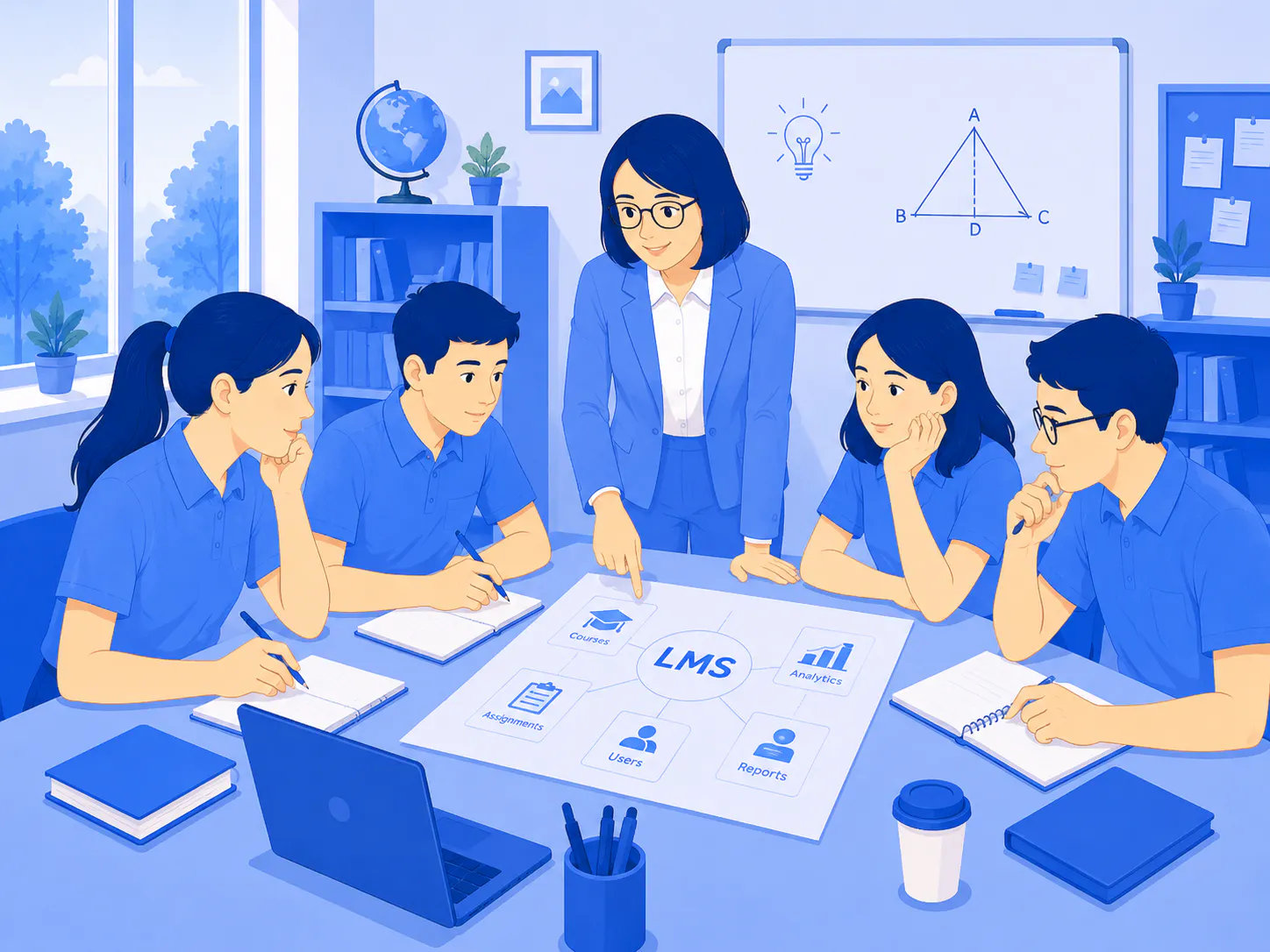
Ancient schools had a unique way of preparing students for life. Education wasn't centered on memorizing facts alone. Instead, students were encouraged to ask questions, debate ideas, solve real world problems, and develop the ability to think independently. Over time, however, many education systems shifted towards rote learning and exam focused teaching, often leaving little room for creativity, critical thinking, and problem solving.
Recognizing the need to prepare students for a rapidly changing world, India's National Education Policy (NEP) 2020 places greater emphasis on developing higher order thinking skills alongside academic knowledge. Rather than focusing solely on what students know, the policy encourages schools to help students understand concepts, analyse information, solve problems, collaborate with others, and apply their learning in practical situations.
In this blog, we'll take a closer look at NEP 2020's approach to critical thinking and problem solving, why these skills are becoming increasingly important, and how schools can successfully integrate them into everyday classroom learning.
How NEP 2020 Encourages Critical Thinking?
NEP 2020 recognises that success in today's world depends on more than academic knowledge. Students need the ability to question, analyse, adapt, and solve problems independently. To achieve this, the policy introduces a learning approach that encourages curiosity rather than memorisation.
Learning through exploration
Instead of expecting students to remember textbook answers, NEP 2020 encourages classrooms where learners investigate ideas, ask questions, and discover solutions on their own. Teachers become facilitators who guide discussions and encourage students to think logically before arriving at conclusions.
Read more: Top 15 Digital Tools Redefining Modern Classrooms
Connecting knowledge to real life
Learning becomes more meaningful when students understand how classroom concepts apply outside school. NEP 2020 promotes activities that encourage learners to relate academic concepts to everyday situations, helping them develop practical reasoning and stronger decision making skills.
Encouraging curiosity over memorisation
Rather than rewarding students only for giving the correct answer, the policy values curiosity and independent thinking. Students are encouraged to challenge assumptions, explore multiple viewpoints, and support their ideas with logical reasoning. This creates more confident learners who are willing to think beyond standard textbook explanations.
Building skills that last beyond the classroom
Critical thinking is not limited to academic success. It also helps students communicate effectively, work collaboratively, solve unfamiliar challenges, and adapt to changing situations. By placing these skills at the centre of education, NEP 2020 prepares learners for higher education, future careers, and lifelong learning.
How Quyl Supports NEP 2020
Implementing NEP 2020 requires more than curriculum changes. Educational institutions need an LMS for schools that supports student centred teaching, competency based assessments, collaboration, and continuous learning. Quyl LMS is designed to help educators achieve these goals through features that simplify teaching, improve learning outcomes, and support the learner focused vision of NEP 2020.
- Interactive course creation
Build engaging courses using videos, presentations, documents, links, and multimedia content to encourage active learning. - Competency based assessments
Create assignments, quizzes, and assessments that evaluate conceptual understanding instead of rote memorisation, with auto grading for faster feedback. - AI powered teaching tools
Generate quiz questions, automate repetitive academic tasks, and reduce the time teachers spend on administrative work. - Personalised learning paths
Organise students into cohorts, assign different learning journeys, and support learners based on their individual progress and learning needs. - Live and blended learning
Conduct live online classes alongside classroom teaching to support hybrid and flexible learning environments. - Continuous progress tracking
Monitor student participation, assignment completion, and academic performance through real time dashboards and smart reports. - Centralised learning management
Manage courses, assessments, student records, calendars, and academic activities from a single platform, making administration simpler for schools. - Data driven decision making
Use detailed reports and learning analytics to identify students who need additional support and improve overall teaching outcomes.
By bringing together interactive learning, AI powered automation, personalised education, and meaningful analytics, Quyl helps schools align their teaching practices with the learner focused vision of NEP 2020.
Conclusion
NEP 2020 marks a significant shift from rote memorisation to meaningful, competency based learning that prepares students for future academic, professional, and real world challenges. By encouraging critical thinking, problem solving, collaboration, and curiosity, schools can help learners build skills that extend far beyond the classroom.
With an LMS like Quyl, educators can implement NEP 2020 more effectively through interactive learning, AI powered teaching tools, competency based assessments, and data driven insights, creating a more engaging and future ready learning environment.

